

Industry News
The Benefits of Modular Design in I/O Solutions
In today’s rapidly evolving industrial landscape, the efficiency and flexibility of automation systems are paramount. Modular design in I/O solutions has emerged as a key approach to achieving these objectives. By adopting modular designs, businesses can enhance their operational efficiency, reduce costs, and improve scalability. At DECOWELL, we understand the integral role that I/O modules and I/O modular systems play in this transformation. In this article, we will explore the benefits of modular design and how it can significantly impact your operations.
Enhanced Flexibility and Customization
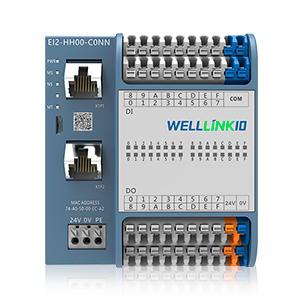
One of the most significant advantages of I/O modular systems is their inherent flexibility. Modular designs allow for the easy integration of various I/O modules, which can be customized to meet specific application requirements. This flexibility is crucial in industries where processes are constantly changing and adapting to new demands.
With I/O modules, businesses can configure their systems based on current needs while allowing for future expansion. For instance, if a manufacturing facility requires additional sensors or actuators for a new production line, they can simply add the necessary I/O modules without overhauling the entire system. This capability not only streamlines operations but also minimizes disruption during upgrades or modifications.
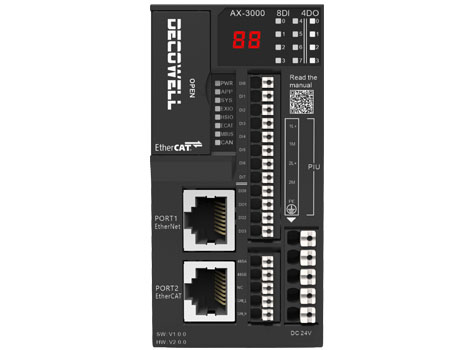
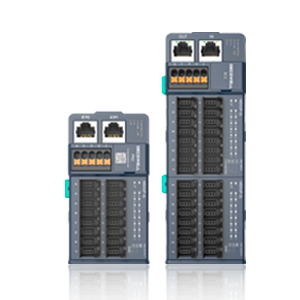
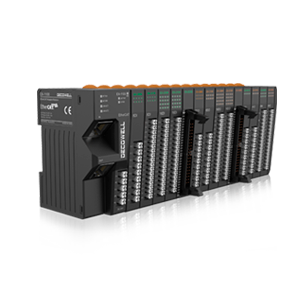
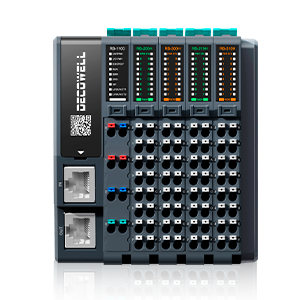
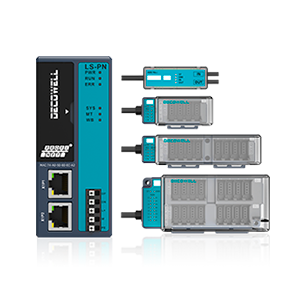
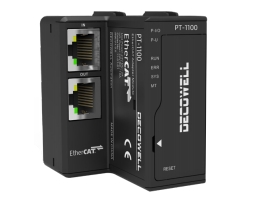
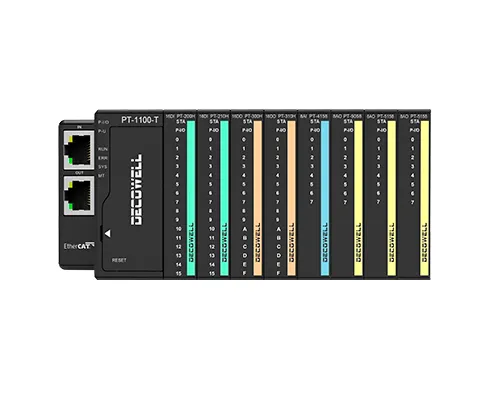
At DECOWELL, our PT series of on-board I/O modules exemplify this flexibility. By integrating various communication interfaces and functions through a customized backplane, we enable our clients to tailor their systems to their specific requirements. This level of customization empowers businesses to respond effectively to market changes and operational challenges.
Functional Integration and Reduced Wiring
Another critical benefit of I/O modular systems is the potential for functional integration. In traditional control systems, the complexity of wiring can become a significant challenge, often leading to increased installation times and maintenance difficulties. Modular designs help mitigate these issues by facilitating the integration of multiple functions into a single I/O module.
With I/O modules, businesses can reduce the amount of wiring required, as functionalities can be combined into fewer components. This not only simplifies the installation process but also enhances system reliability by minimizing the potential points of failure associated with extensive wiring networks.
The PT series of I/O modules, for example, features a PCB backplane that can integrate independently designed functions, allowing for a more streamlined setup. Additionally, advanced features such as plug-in I/O modules and prefabricated cables further reduce wiring complexity, making installation and maintenance more efficient.
By leveraging these modular systems, companies can achieve a cleaner, more organized control environment, which can lead to improved safety and easier troubleshooting. The ease of wiring and functional integration ultimately contributes to enhanced operational performance.
Cost-Effectiveness and Scalability
Investing in I/O modular systems can lead to significant cost savings over time. The reduced wiring and simplified installation processes associated with modular designs translate to lower labor costs and shorter project timelines. Furthermore, the ability to customize and expand systems as needed means that businesses do not have to invest in entirely new systems when scaling operations.
Modular designs also facilitate more efficient use of resources. For example, when a specific function is no longer required, it can be easily removed or replaced without impacting the entire system. This adaptability is particularly valuable in industries that experience fluctuations in demand, as it allows companies to scale their operations up or down without incurring unnecessary expenses.
At DECOWELL, we recognize the importance of cost-effectiveness in today’s competitive environment. Our I/O module solutions are designed to minimize installation costs and enable easy upgrades, ensuring that our clients achieve the best return on their investments.
Conclusion
In conclusion, the benefits of modular design in I/O solutions are clear and impactful. By enhancing flexibility, promoting functional integration, and providing cost-effective scalability, I/O modular systems empower businesses to adapt to the ever-changing demands of their industries. At DECOWELL, we are committed to delivering innovative I/O module solutions that align with these principles.
Our PT series of on-board I/O modules serve as an excellent example of how modular design can lead to improved operational efficiency. With flexible customization, reduced wiring, and functional integration, our solutions are tailored to meet the unique needs of our clients.
As we continue to advance in the field of industrial automation, we invite you to explore how our I/O modular systems can enhance your operations. By embracing modular design, you can position your business for success in an increasingly complex and competitive landscape.
Follow us



 3D
Database
3D
Database


