

Industry News
Enhancing Automation with PCB On-Board Modules
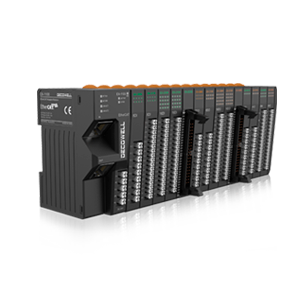
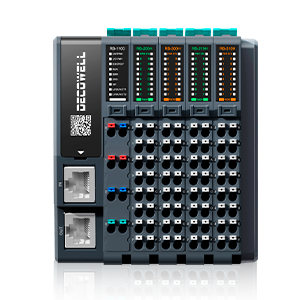
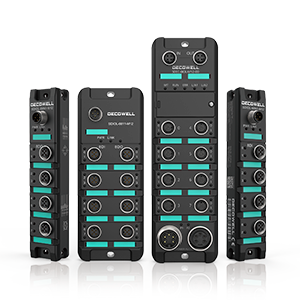
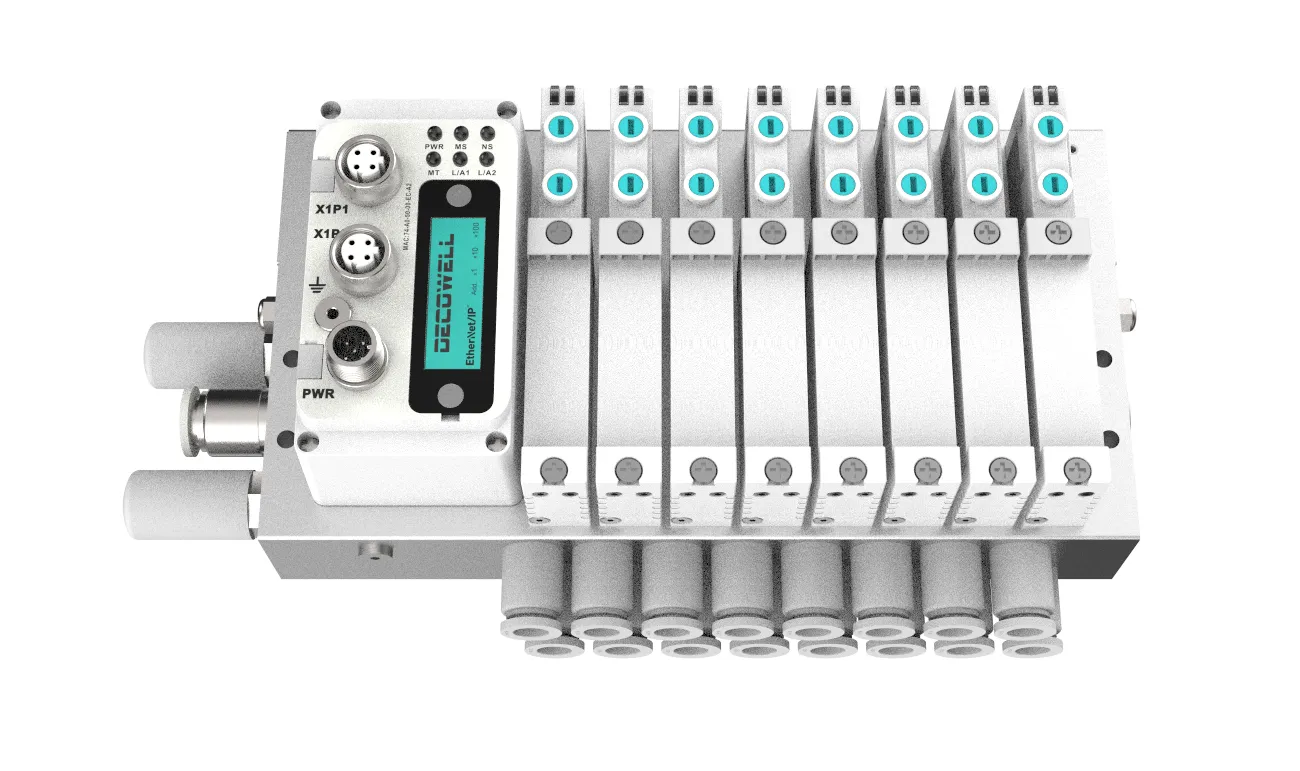
In the fast-paced world of industrial automation, efficiency and flexibility are key drivers of success. The integration of advanced technology into our systems allows us to optimize operations and adapt to changing needs seamlessly. One such innovation that stands at the forefront of this transformation is the PCB On-Board Module. As industry leaders in providing cutting-edge automation solutions, we at DECOWELL are proud to introduce our range of I/O modules designed to enhance the functionality and performance of programmable logic controllers (PLCs).

Understanding PCB On-Board Modules
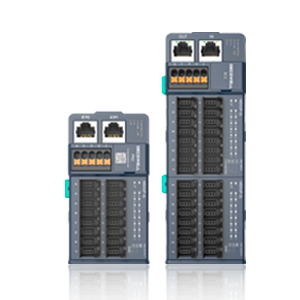
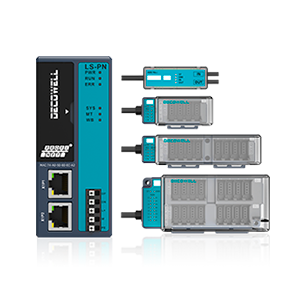
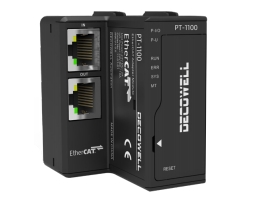
PCB On-Board Modules, particularly our PT series of on-board I/O modules, represent a significant advancement in automation technology. These modules consist of an adapter, an I/O module, and a power supply unit, enabling distributed expansion while minimizing physical footprints. The compact structure measures just 12 x 55 x 62 mm, which is about one-third the volume of our traditional EX series modules. This reduction in size allows for more efficient use of available space in control cabinets and machinery setups.
By integrating various communication interfaces and functions through a customized backplane, we ensure that our I/O modules can be tailored to meet specific operational requirements. This flexibility not only meets existing demands but also allows for future upgrades without extensive modifications to existing systems.
Benefits of I/O Modules in Industrial Automation
One of the primary advantages of using I/O modules, especially our PCB On-Board Modules, lies in their ability to streamline installation processes. With pre-fabricated cables and simpler wiring configurations, we can significantly reduce the time and labor required for installation and commissioning. This ease of integration translates to lower overall project costs and quicker deployment times, allowing our operations to commence without delay.
In addition to simplified installation, the functional integration of input and output modules of PLC offers enhanced capabilities for managing complex automation tasks. Each module can accommodate various signal types, including digital and analog inputs and outputs. This versatility allows us to configure our systems to handle diverse applications, from simple monitoring tasks to comprehensive control solutions.
Flexibility and Customization
Flexibility is another hallmark of our PCB On-Board Modules. The modular design facilitates easy customization according to the requirements of each specific application. Since operations vary widely across different industries, having I/O modules that can be tailored to fit unique needs is essential.
With the ability to integrate multiple functions within a single module, we can minimize the number of individual components required in an automation system. This integrated approach not only conserves valuable space but also reduces the complexity associated with managing multiple devices. By consolidating functions into fewer input and output modules, we enable smoother communication and control, enhancing overall system performance.
This level of customization extends to communication protocols as well. Our PT series supports a variety of interfaces, allowing seamless integration with existing systems regardless of the technology employed. This capability ensures that we remain adaptable in a rapidly evolving technological landscape.
Reduced Wiring and Improved Reliability
The compact and flexible nature of our PCB On-Board Modules leads to reduced wiring requirements, which can significantly impact system reliability. Fewer wires mean less potential for connection issues or failures, reducing maintenance needs and improving uptime. By enhancing stability and reliability, we allow our automation systems to function optimally, thereby improving productivity.
The design of our I/O module emphasizes durability and resilience, ensuring that they can withstand the rigors of industrial environments. Through rigorous testing and quality assurance, we provide confidence that these modules will operate effectively under demanding conditions.
Moreover, organizing wiring within a compact structure simplifies troubleshooting and maintenance. When issues arise, having a well-structured and organized system makes it easier to identify and address problems quickly, minimizing downtime and facilitating more efficient operations.
Conclusion
In conclusion, the integration of PCB On-Board Modules into our industrial automation systems represents a significant step forward in optimizing performance and efficiency. These I/O modules provide substantial benefits, including flexible customization, reduced wiring needs, and enhanced reliability, all of which contribute to the effectiveness of our operations.
The compact design of our PT series allows us to minimize the physical footprint of control setups while maintaining high functionality. By allowing for tailored solutions that meet specific operational demands, our input and output modules of PLC become essential components in achieving seamless automation.
As we continue to embrace innovation at DECOWELL, our commitment to developing advanced I/O module solutions ensures that we remain at the forefront of the automation industry. By equipping our systems with PCB On-Board Modules, we empower businesses to streamline their processes, reduce costs, and adapt efficiently to evolving market needs. With these modules, we are poised to drive greater productivity and success in industrial automation, reinforcing our dedication to providing the best solutions for our clients.
Follow us



 3D
Database
3D
Database


