

Industry News
Benefits of Using Remote I/O Modules in Industrial Automation
In the evolving world of industrial automation, it is essential for us to leverage advanced technologies that optimize our operations and enhance efficiency. Among these innovations, remote I/O modules have emerged as valuable assets in streamlining processes and improving overall system performance. At DECOWELL, we are dedicated to providing cutting-edge solutions, and this article will explore the myriad benefits of integrating remote I/O modules into our automation systems.
Understanding Remote I/O Modules
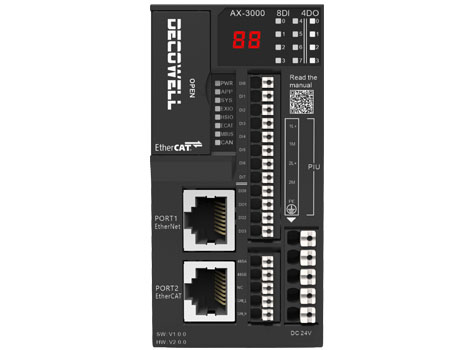
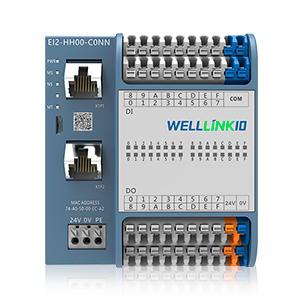
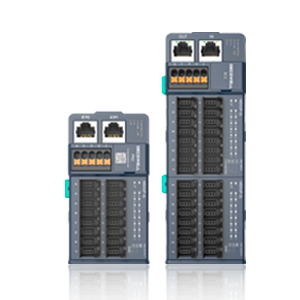
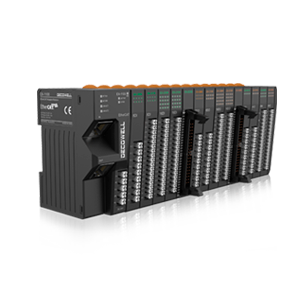
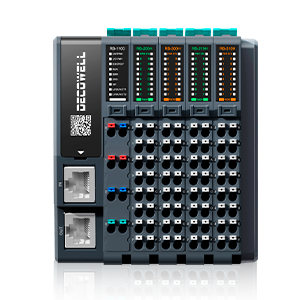
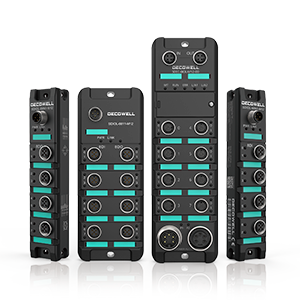
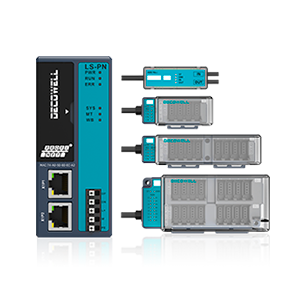
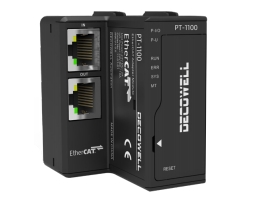
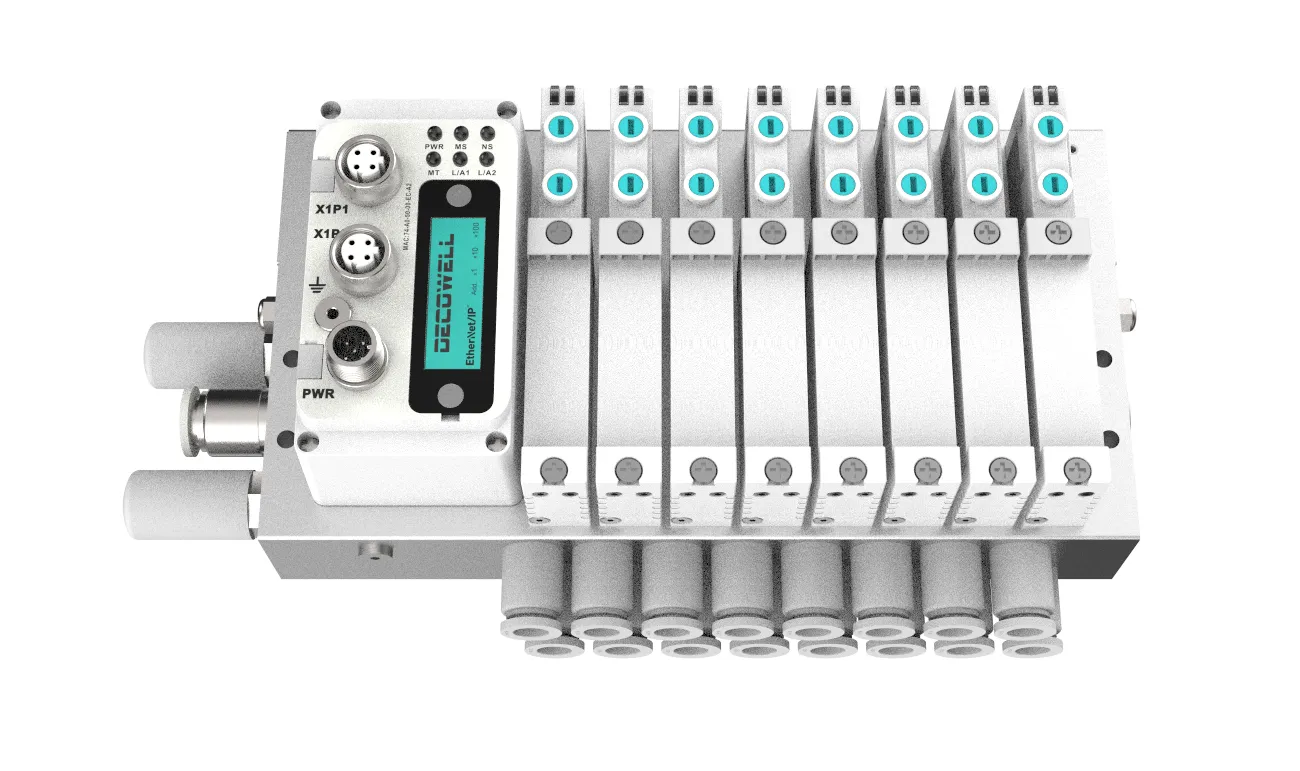
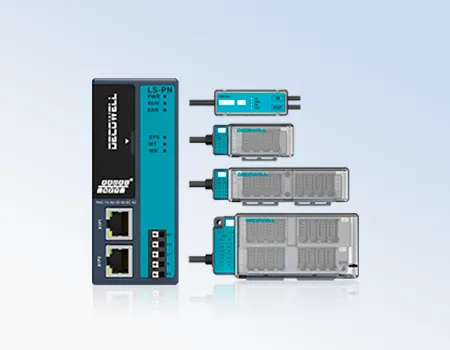
Remote I/O modules are designed to extend the capabilities of traditional input/output systems, allowing communication with field devices located away from the main control unit. These modules serve as intermediaries, converting signals from sensors into digital data for processing and vice versa. By utilizing remote I/O modules, we can effectively manage distributed systems, enhancing data collection and facilitating control over distant equipment.
The implementation of remote I/O significantly improves the flexibility of our automation setups. With the ability to deploy input and output devices in various locations within a facility, we can optimize the layout of our production lines and adapt to changing operational demands with ease. This adaptability not only saves time but also contributes to more efficient resource utilization across our operations.
Enhanced Flexibility and Scalability
One of the primary benefits of using remote I/O module in industrial automation is the increased flexibility they offer. Traditional I/O systems often require extensive wiring, which can be limiting when it comes to relocating machinery or adapting to new processes. In contrast, remote I/O modules enable us to connect multiple devices over a single network, allowing for a more versatile arrangement of equipment.
This flexibility enhances our ability to scale operations efficiently. As we expand our facilities or introduce new technologies, we can easily add or remove remote I/O modules without undergoing significant rewiring efforts. This modular approach allows for seamless integration of new components, reducing overall downtime and ensuring that our systems remain agile in the face of market demands.
Additionally, by minimizing the complexity of wiring through remote I/O modules, we can reduce installation time and associated labor costs. This streamlined approach enables our teams to focus on critical tasks rather than getting bogged down by extensive electrical work.
Improved Diagnostic Capabilities
Another notable advantage of remote I/O modules is their enhanced diagnostic capabilities. Many modern remote I/O solutions come equipped with advanced monitoring features, such as under-voltage, over-voltage, and broken wire detection. These functions allow us to quickly identify and troubleshoot issues that may arise within our systems.
By employing remote I/O modules with built-in diagnostics, we can significantly reduce downtime associated with equipment failures. Instead of spending excessive time investigating problems, our teams can rely on the real-time feedback provided by these modules to locate and resolve issues swiftly. This proactive approach not only minimizes production interruptions but also enhances overall operational efficiency.
At DECOWELL, we recognize the importance of maintaining high levels of productivity, and our remote I/O modules are designed to support that goal. With the ability to diagnose problems in real time, we empower our operators to take immediate action, further improving the efficiency of our industrial processes.
High Interference Immunity
In many industrial settings, electromagnetic interference (EMI) can pose challenges to signal integrity and performance. Fortunately, remote I/O modules are engineered with high interference immunity, ensuring reliable communication even in challenging environments. This robustness allows us to maintain consistent data transmission and avoid disruptions that could lead to costly mistakes.
The reliability of remote I/O modules protects us from the uncertainties associated with unstable signal conditions. In industries where precision is crucial, ensuring clear and accurate communication between control systems and field devices is paramount. By utilizing remote I/O modules, we can foster reliability in our operations and safeguard against potential inefficiencies caused by signal degradation.
Moreover, the superior design of these modules allows for greater installation flexibility, freeing us from the constraints of traditional cabling methods. With the ability to manage signals over longer distances without concern for interference, we can optimally position our equipment to suit operational needs.
Conclusion
In conclusion, the implementation of remote I/O modules in industrial automation presents numerous advantages that significantly enhance operational efficiency and flexibility. By allowing us to connect and manage distributed devices seamlessly, these modules reduce wiring complexity, streamline installations, and enable scalable solutions tailored to our evolving needs.
At DECOWELL, we are committed to delivering innovative solutions that drive progress in the realm of industrial automation. Our focus on integrating advanced remote I/O modules into our systems reflects our dedication to supporting our clients in achieving their operational goals. As we continue to embrace technological advancements, we remain confident that remote I/O modules will play a pivotal role in shaping the future of efficient and effective industrial operations.
Follow us



 3D
Database
3D
Database


