

Industry News
The Impact of Digital I/O Modules on Process Automation Efficiency
In the world of industrial automation, efficiency is paramount. As we strive to develop systems that enhance productivity and minimize operational costs, we find ourselves increasingly reliant on technology that supports seamless communication and control. One such key technological advancement is the digital I/O module. With their ability to enhance data processing and streamline operations, digital I/O modules play a pivotal role in improving process automation efficiency across various industries.
Understanding Digital I/O Modules
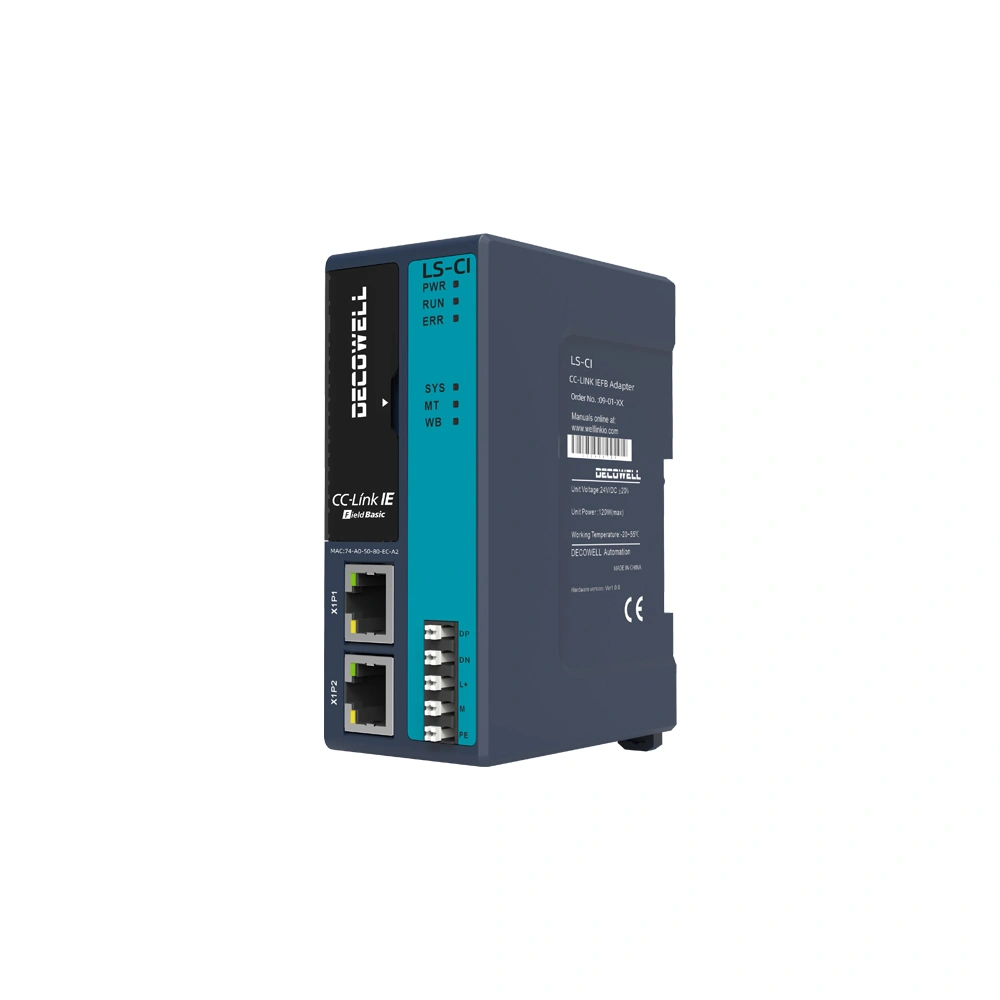
Digital I/O modules are devices designed to interface between control systems and field devices, facilitating the transfer of digital signals. They convert the physical signals generated by sensors into digital data, which can be processed by control systems. Conversely, they allow control systems to send commands to actuators and other devices, ensuring that our operations run smoothly and effectively.
As we integrate digital I/O modules into our automation systems, we gain the ability to monitor and control processes with unprecedented accuracy. Whether it involves managing inventory levels in a warehouse or monitoring equipment performance in a manufacturing facility, these modules provide real-time data that is essential for informed decision-making. The efficiency of our processes is directly linked to the performance of these digital I/O modules, demonstrating their crucial role in the automation landscape.
Enhancing Wiring Efficiency
One of the most significant advantages of adopting digital I/O modules is the enhanced wiring efficiency they offer. Traditional wiring methods can be cumbersome, time-consuming, and prone to errors, leading to increased labor costs and longer installation times. In contrast, digital I/O modules simplify wiring layouts, substantially reducing the amount of cable needed for installations.
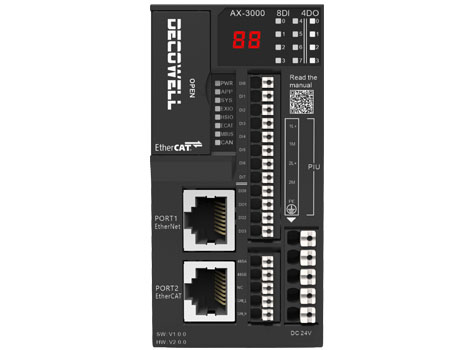
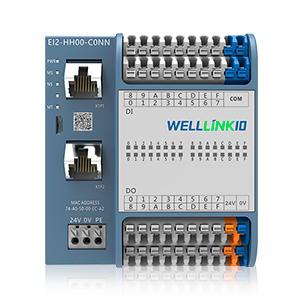
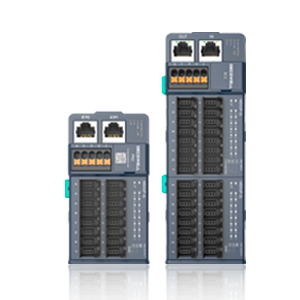
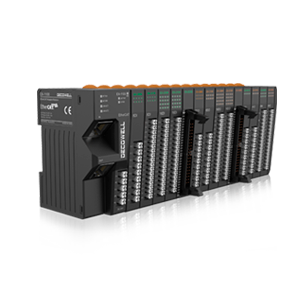
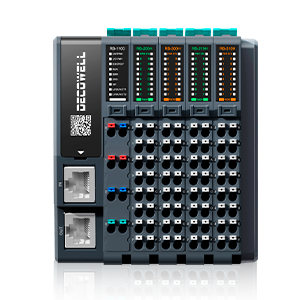
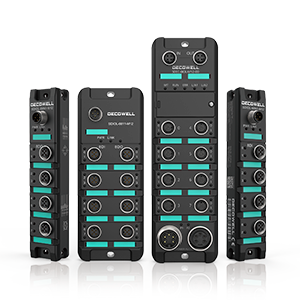
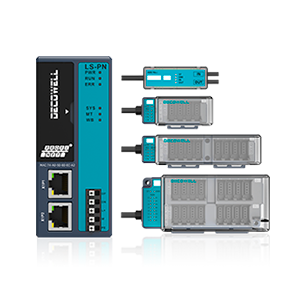
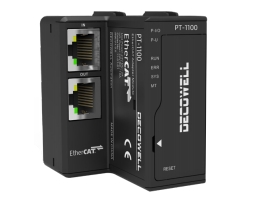
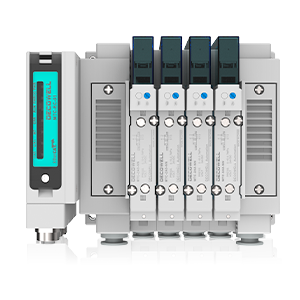
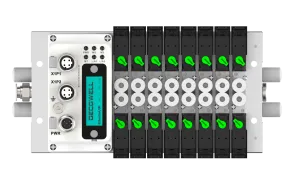
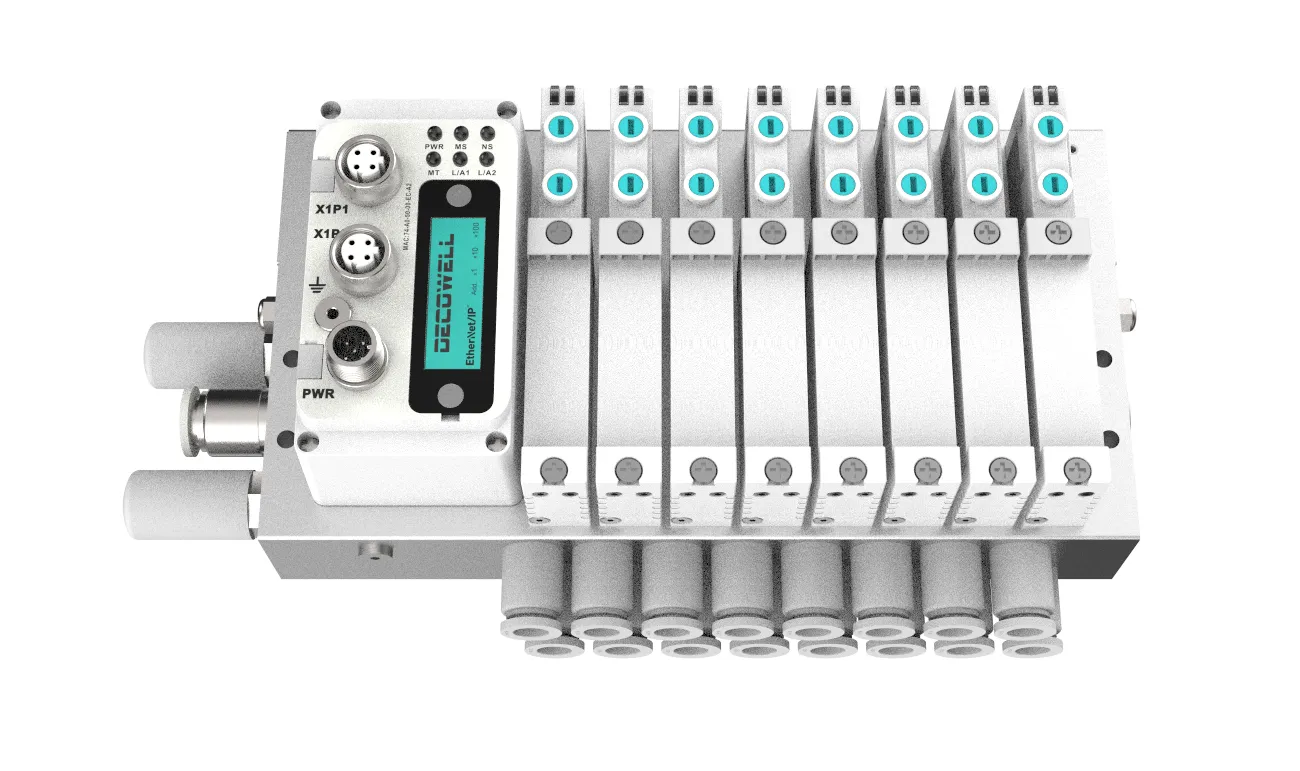
DECOWELL's Discrete Provisioning Module exemplifies this innovation. This module is built around our proprietary WellBUS bus, allowing for minimal wiring solutions. By utilizing a 2-core power line, we can complete the wiring of entire production lines while controlling all necessary signals. This not only saves valuable time during installation but also minimizes errors associated with complex wiring schemes. The flexibility of these digital I/O modules allows us to adapt quickly to changes in production needs without incurring excessive costs or downtime.
High Interference Immunity
Another critical factor contributing to the efficiency of digital I/O modules is their high interference immunity. In industrial environments, electrical noise and interference can disrupt signal transmission, leading to inaccuracies and unreliable system performance. By employing advanced design techniques and materials, digital I/O modules are engineered to withstand such challenges, ensuring consistent operation even in demanding conditions.
This robustness provides us with the peace of mind that our automation systems will function as intended, even in environments where other devices might fail. As a result, we can maintain higher levels of uptime and productivity, ultimately translating to improved overall efficiency in our operations. The reliability of digital I/O modules fortifies our commitment to quality and excellence in process automation.
Improving Data Processing Speed
The speed at which data is processed is another crucial component of achieving automation efficiency. Digital I/O modules are designed to handle high-speed data transfers, allowing us to react promptly to changing conditions within our operations. The capability to rapidly collect and analyze data means we can make informed decisions in real time, whether that involves adjusting production rates or addressing equipment malfunctions.
Additionally, the integration of digital I/O modules into our existing systems often leads to reduced latencies in communication. With quicker responses and more efficient data handling, we can optimize our workflows, eliminate bottlenecks, and improve throughput. The synergy between real-time data acquisition and actionable insights is instrumental in driving our industrial automation efforts forward.
Conclusion
In conclusion, the impact of digital I/O modules on process automation efficiency cannot be overstated. From enhancing wiring efficiency and providing high interference immunity to improving data processing speeds, these modules are indispensable tools in the quest for operational excellence. At DECOWELL, we recognize the transformative potential of digital I/O modules and are committed to integrating them into our solutions.
Follow us



 3D
Database
3D
Database


