

Industry News
Exploring Wireless Remote I/O Modules: Advantages and Limitations
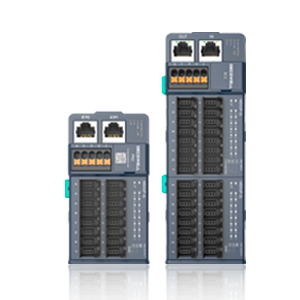
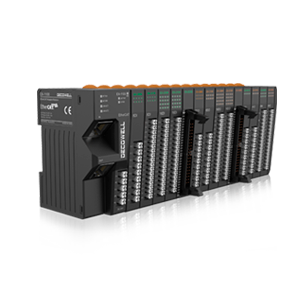
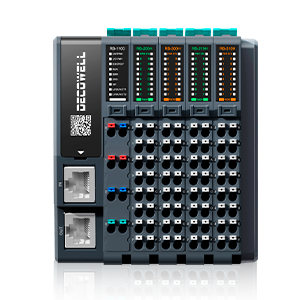
At DECOWELL, we continuously strive to enhance industrial automation through innovative technological solutions. One of the most significant advancements in this field is the development of remote I/O systems, particularly wireless remote I/O modules. These devices are designed to facilitate data acquisition and improve system performance by enabling communication between various sensors and control units without extensive wiring. In this article, we will explore the advantages and limitations of wireless remote I/O modules, providing insights into their potential impact on modern industrial applications.
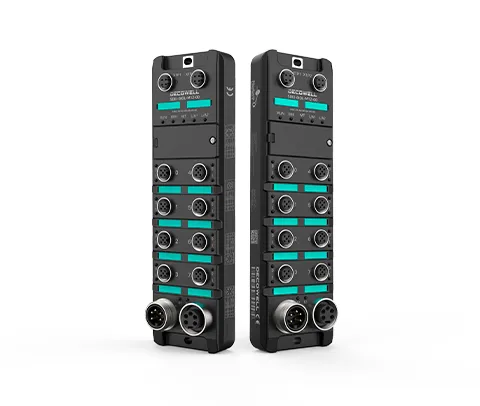
The Advantages of Wireless Remote I/O Modules
As we delve into the advantages of wireless remote I/O modules, one of the key benefits is their ability to simplify installation processes. A primary challenge in traditional data acquisition module setups is the extensive wiring required to connect remote devices to a central control unit. Wireless remote I/O modules eliminate the need for cumbersome cabling, allowing for flexible placement of devices throughout a facility. This flexibility not only reduces installation time but also cut costs associated with materials and labor.
Moreover, wireless systems enhance scalability in industrial environments. As businesses grow or evolve, the need to add new sensors or devices becomes inevitable. With conventional wired systems, introducing new components often entails re-wiring and potentially disrupting existing setups. In contrast, remote I/O systems allow for quick integration of additional devices without the need for extensive modifications. This adaptability encourages businesses to invest in automation without the fear of outgrowing their existing infrastructure.
Another notable advantage is the improved data accessibility provided by wireless remote I/O modules. By enabling real-time data transmission from various sensors, these modules facilitate timely decision-making and rapid response to operational changes. In industries where every second counts, having immediate access to data can significantly enhance operational efficiency and productivity.
Considerations for Wireless Remote I/O Modules
While the benefits of wireless remote I/O modules are compelling, it is crucial to acknowledge their limitations as well. One of the primary concerns surrounding these systems is reliability, particularly in environments prone to interference. Wireless communication can be affected by external factors such as physical obstructions, electromagnetic interference, and environmental conditions, all of which may compromise the integrity of data transmission. As a result, businesses must carefully evaluate whether a wireless remote I/O solution is suitable for their specific operational context.
Additionally, the range of wireless communication remains a critical consideration when implementing remote I/O systems. Although many wireless solutions offer impressive coverage, distances can vary based on terrain, structures, and the presence of barriers. In larger facilities or areas with complex layouts, maintaining effective communication across devices can pose a challenge. Companies should assess their requirements for range and coverage to ensure that a wireless solution will effectively meet their needs.
Security is another vital factor that must be addressed when deploying wireless remote I/O modules. As with any wireless communication, there are inherent risks associated with unauthorized access or data breaches. To protect sensitive information, organizations must implement robust security measures, including encryption and secure authentication protocols. Ensuring the safety of data transmission is paramount, especially for enterprises that handle critical operational data.
Conclusion
In conclusion, wireless remote I/O modules represent a significant advancement in the field of industrial automation, as developed by DECOWELL. Their ability to simplify installations, enhance scalability, and provide real-time data access makes them an appealing option for many organizations looking to modernize their operations. However, it is essential to weigh the advantages against the limitations, such as reliability concerns, communication range, and security requirements.
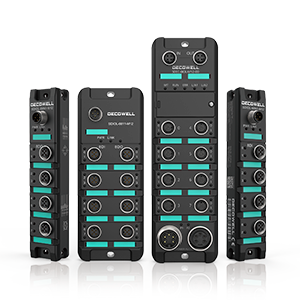
As industries continue to embrace digital transformation, the role of remote I/O systems will become increasingly integral to achieving operational excellence. At DECOWELL, we are committed to providing high-quality, reliable solutions, such as our IP67 High Protection Module series. These modules excel in demanding industrial environments, ensuring robust and trustworthy communication with easy maintenance.
Follow us



 3D
Database
3D
Database


