

Industry News
Security Considerations for Remote I/O Modules in Industrial Networks
At DECOWELL, we understand that the integration of technology into industrial environments has transformed operations significantly. Among these technological advancements, remote I/O modules have become essential for efficient data acquisition and process control. However, as we embrace these innovations, we must also address the security challenges they present. This article explores the key security considerations for remote I/O modules and wireless data acquisition modules in industrial networks.
The Importance of Security in Remote I/O Systems
As industries increasingly adopt remote I/O systems for their ability to facilitate real-time data collection and monitoring, the security of these systems cannot be overlooked. Remote I/O modules communicate over networks, often using wireless connections, to collect and transmit data from various industrial devices. This connectivity poses potential vulnerabilities that can be exploited by malicious actors.
In our experience, organizations must prioritize securing these devices to prevent unauthorized access and data breaches. Ensuring that our remote I/O modules are protected against cyber threats is vital for maintaining the integrity of industrial operations. A breach could lead to substantial financial losses, equipment damage, and even safety risks for personnel.
Key Security Measures for Remote I/O Modules
To safeguard remote I/O module and wireless data acquisition module, we recommend implementing several security measures. First and foremost, network segmentation is crucial. By isolating the network that hosts remote I/O systems from other company networks, we can minimize the risk of unauthorized access. This separation limits the potential impact of a security breach, as attackers would need to navigate through additional barriers.
Another important measure is the use of strong authentication protocols. We must ensure that only authorized personnel can access remote I/O systems. Implementing robust user authentication methods, such as multi-factor authentication (MFA), can significantly enhance security. This adds an extra layer of protection, making it more challenging for unauthorized users to gain access to sensitive data and control systems.
Additionally, regular software updates and patches are essential for maintaining the security of remote I/O modules. Keeping firmware and software up-to-date helps mitigate vulnerabilities that could be exploited by cyber threats. At DECOWELL, we emphasize the importance of routine maintenance checks to ensure that all devices are operating with the latest security enhancements.
Monitoring and Incident Response
Monitoring the performance and security of remote I/O modules is another critical aspect of a comprehensive security strategy. Implementing real-time monitoring tools allows us to detect unusual activity or potential breaches as they happen. This proactive approach enables us to respond swiftly to any security incidents, minimizing potential damage.
In the event of a security breach, having a well-defined incident response plan is essential. This plan should outline the steps to take when a security incident occurs, including identifying the source of the breach, containing the threat, and restoring normal operations. Regularly testing and updating this plan ensures that our team is prepared to handle any security challenges that may arise.
As we navigate the complexities of securing remote I/O modules and wireless data acquisition modules, we recognize that collaboration and communication within our organization play a vital role. By fostering a culture of security awareness, we can empower all team members to contribute to the protection of our industrial networks.
Conclusion
In conclusion, the adoption of remote I/O modules and wireless data acquisition modules offers significant advantages in industrial automation. However, with these benefits come security challenges that require our attention. At DECOWELL, we are committed to ensuring that our remote I/O systems are secure and resilient against potential threats.
By implementing robust security measures such as network segmentation, strong authentication, regular updates, and comprehensive monitoring, we can protect our industrial networks and maintain the integrity of our operations. As we continue to innovate and optimize our processes, we must remain vigilant in our efforts to safeguard our technologies. With these considerations in mind, we can fully leverage the capabilities of remote I/O modules while ensuring a secure operational environment.
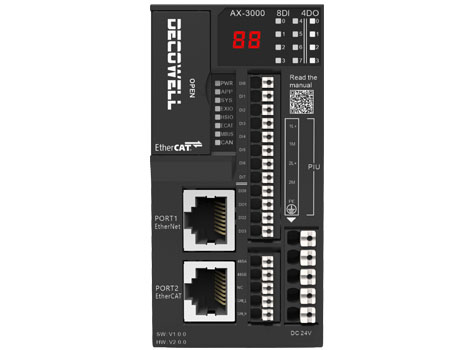
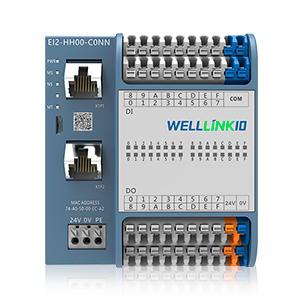
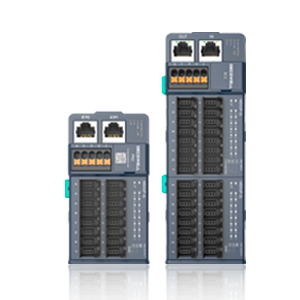
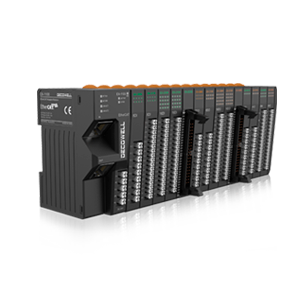
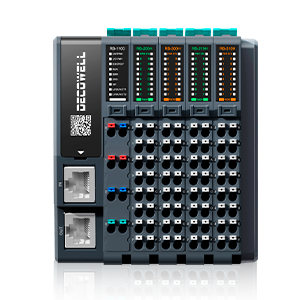
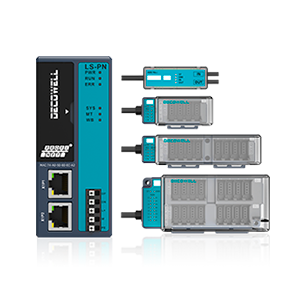
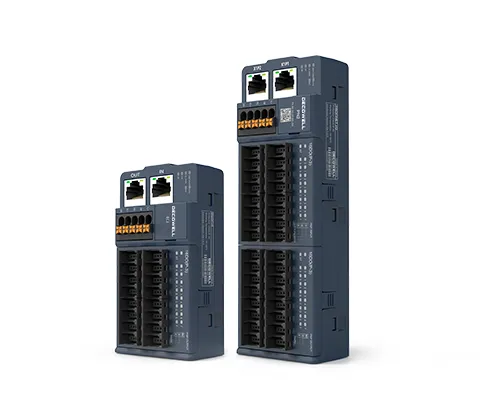
At DECOWELL, our Multifunctional All-in-One Module exemplifies our commitment to innovation. With a split design that accommodates multiple signal types, our compact RS series integrated I/O module enhances flexibility and efficiency. This device combines bus communication, signal acquisition/output, and power supply into a single solution, supporting various industrial needs while occupying minimal cabinet space.
Follow us



 3D
Database
3D
Database


